Essential Seasonal Wellness: Navigating Pet Health Care Year-Round
Proactive pet health care looks different depending on where you live, and for pet owners in Myrtle Beach, SC, the local coastal climate creates a distinct set of year-round challenges. The warm, humid conditions along the South Carolina Grand Strand mean that pet health care can never really take a "seasonal break." Unlike regions with harsh winters, the Lowcountry rarely experiences a hard freeze, which keeps parasites active and environmental risks elevated through all four seasons. Understanding what each part of the year may bring can help you stay one step ahead for your pet.
Why the Coastal Climate Makes Year-Round Vigilance So Important
Myrtle Beach, SC, sits along a subtropical coastline. Warm temperatures linger well into autumn and return early in spring. This extended warmth may be ideal for tourism, but it also means fleas, ticks, and mosquitoes remain active far longer than they do in cooler inland states. Pets in this region can be exposed to parasites during months when owners in other parts of the country may have already stopped worrying about them.
Because the area does not typically experience a killing frost, flea and tick populations can persist or even thrive through winter. Mosquitoes, which transmit heartworm disease, may also remain active during mild spells. Consistent, uninterrupted parasite prevention is one of the most important aspects of pet health care because skipping even a month or two can leave a gap in protection that parasites may quickly take advantage of.
Heartworm Prevention Has No Off-Season Here
Heartworm disease is transmitted through mosquito bites. In climates with true winters, mosquito season has a clear start and end. In the Grand Strand area, that window may blur significantly. Veterinary professionals commonly recommend that pets in the South Carolina Lowcountry receive heartworm prevention medication every month of the year without interruption.
Annual heartworm testing is also considered an important part of preventive pet care. Because a pet can appear healthy while still carrying heartworms, routine screening may catch an infection before it causes visible symptoms. The earlier a problem is identified, the more manageable the response may be.
Summer Pet Health Care Priorities in Myrtle Beach
Summer along the Grand Strand can be intense. High temperatures and heavy humidity may strain pets far more quickly than many owners expect, especially dogs with thick coats, flat faces, or underlying health conditions. Heatstroke is a genuine risk for animals left outdoors, in parked vehicles, or exercised too heavily during peak heat hours.
Keeping Pets Hydrated and Cool
Hydration is a foundational part of summer pet health care. Fresh, cool water should be available to pets at all times, and outdoor time may need to be limited to early morning or evening hours when pavement and air temperatures are lower. Hot pavement can also cause significant discomfort and injury to a pet's paw pads, which is easy to overlook on a sunny beach day.
Watch for signs that a pet may be overheating.
These may include:
- Heavy, excessive panting that does not slow down.
- Drooling more than usual.
- Appearing wobbly, confused, or uncoordinated.
- Gums that look pale, bright red, or bluish.
- Vomiting or sudden weakness.
If any of these signs appear, moving the pet to a cool area and contacting a veterinarian promptly may help prevent serious complications.
Fall and Winter Pet Health Care Along the Grand Strand
Many pet owners in cooler climates naturally ease back on parasite prevention when the weather cools down. In the Myrtle Beach area, this approach may carry real risks. Winter temperatures along the coast can remain mild enough for fleas and mosquitoes to survive and remain active. Warm spells during December through February are not uncommon, and parasites may take advantage of those windows.
Fall is also a meaningful time to schedule a comprehensive wellness exam. As the busy summer season winds down, it can be a practical moment to catch up on vaccinations, discuss any changes in a pet's behavior or health noticed over summer, and update parasite prevention plans. Dental health is another area that benefits from seasonal attention, as oral disease is common in pets and can affect overall well-being.
Cold Weather and Outdoor Pets
While Myrtle Beach winters are generally mild compared to northern states, temperatures can occasionally dip low enough to cause discomfort for pets, especially smaller breeds, short-coated animals, senior pets, or those with health conditions. Outdoor access during cold snaps may need to be limited, and pets that spend time outside should have access to a warm, sheltered area.
Spring Wellness and the Start of Peak Parasite Season
Spring in the Grand Strand often arrives early, and with it comes a rapid increase in pest activity. As warmth returns and vegetation grows, fleas, ticks, and mosquitoes ramp back up. Spring is an ideal time to confirm that parasite prevention is current and to schedule a wellness visit before the hottest months arrive.
Seasonal allergies can also affect pets in spring, just as they do people. Pollen, mold, and environmental allergens may cause itching, skin irritation, ear problems, or eye discharge. A spring wellness exam offers a good opportunity to discuss any allergy-related concerns a pet may have shown in prior years.
Vaccinations and Routine Exams
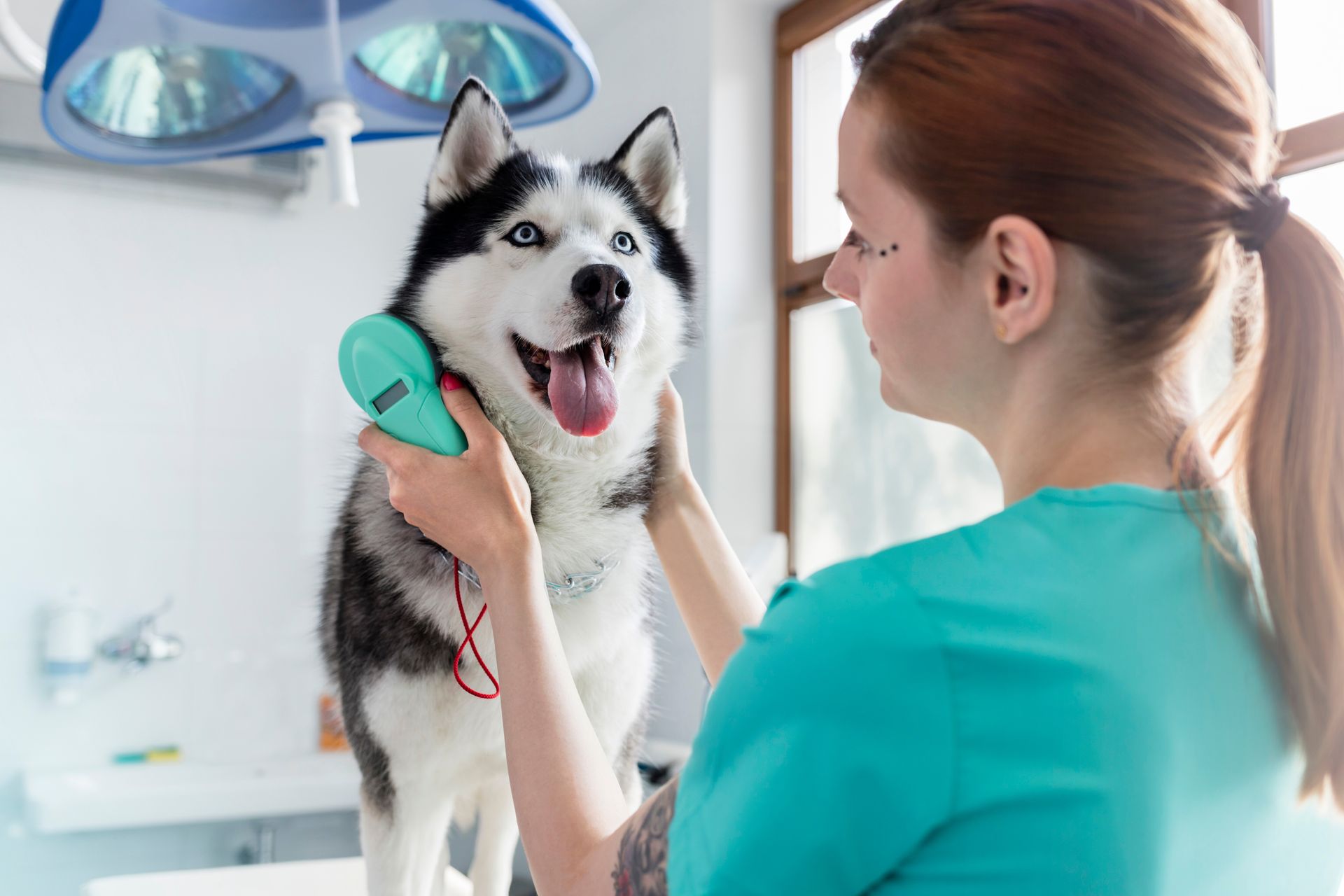
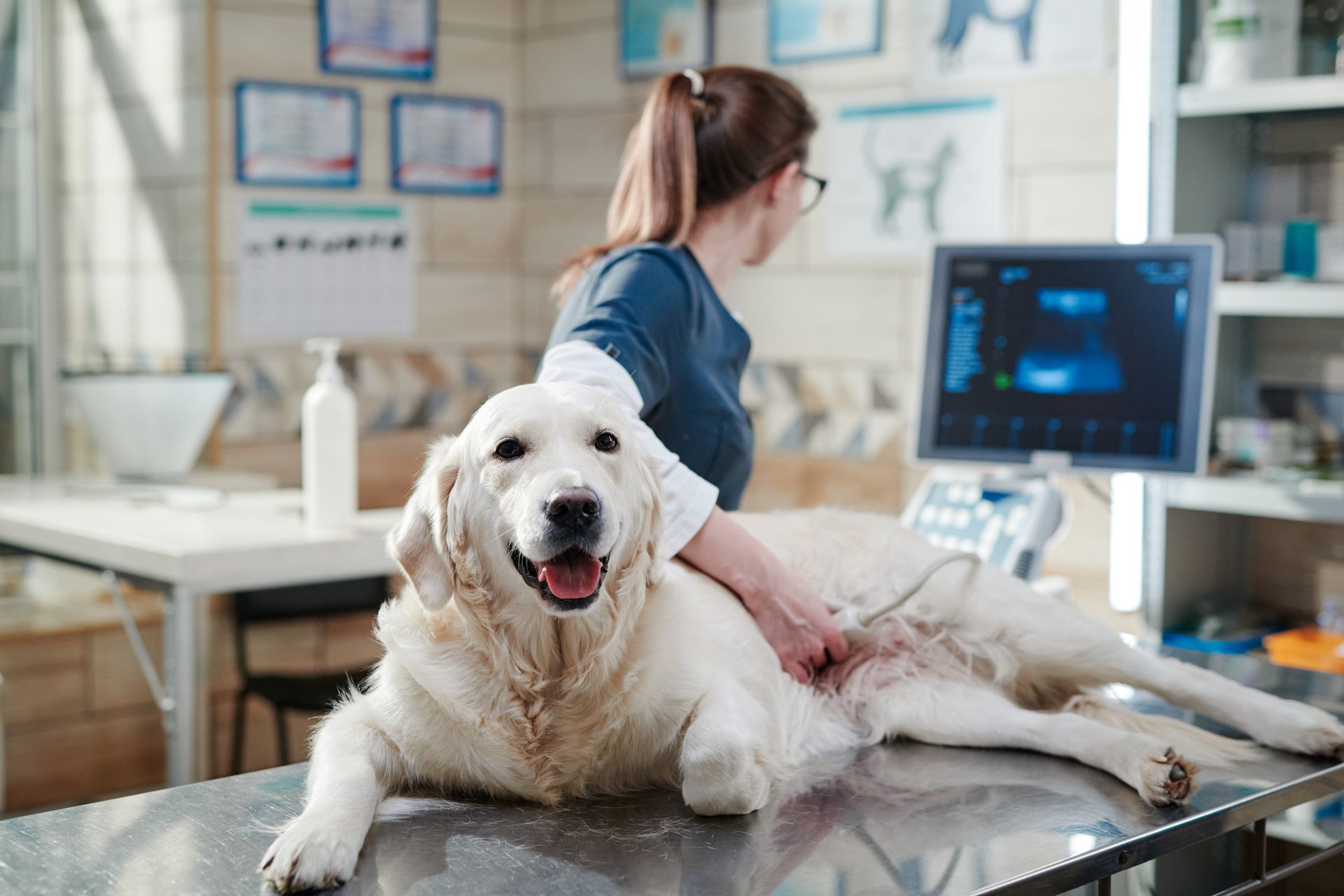
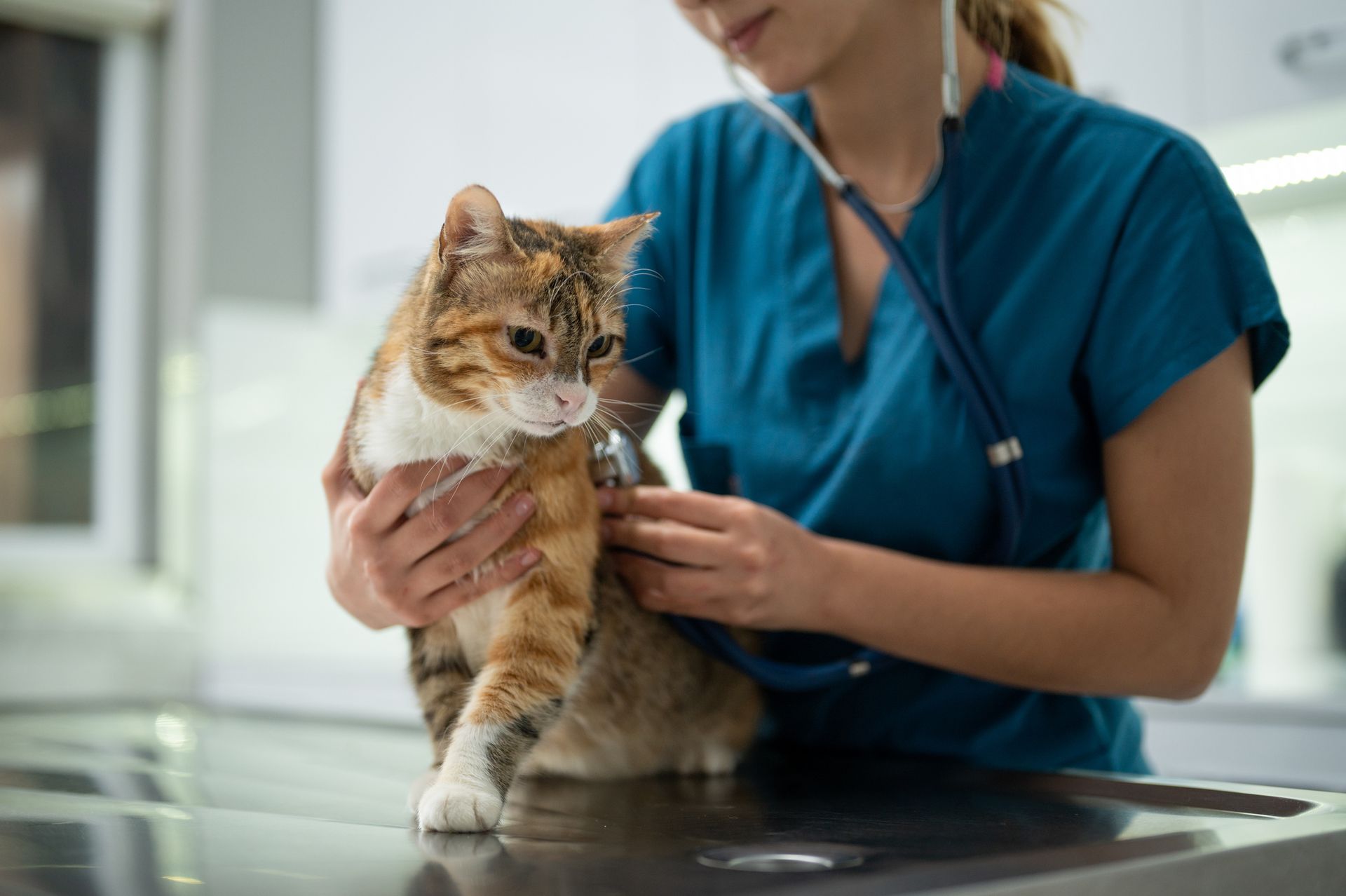
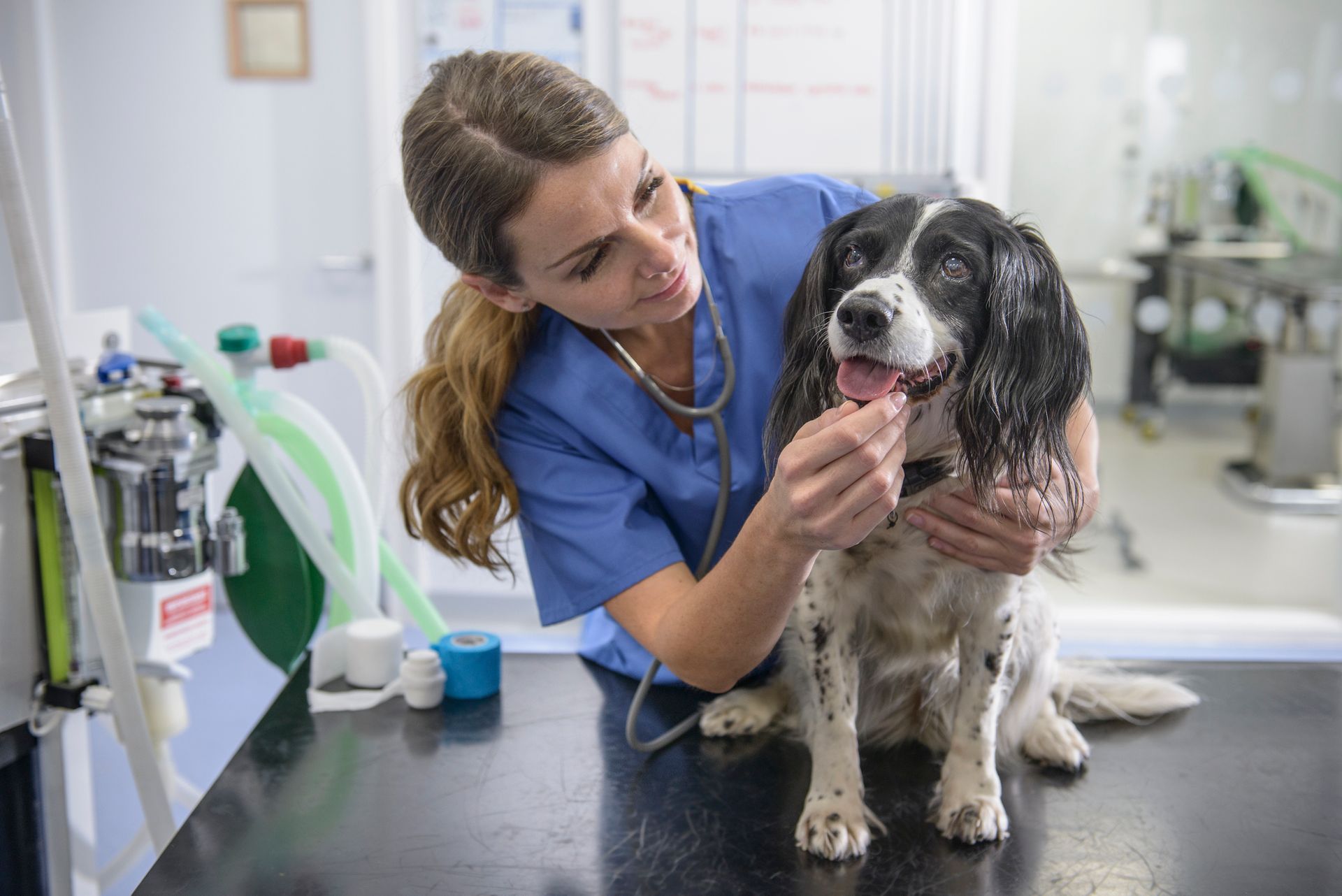
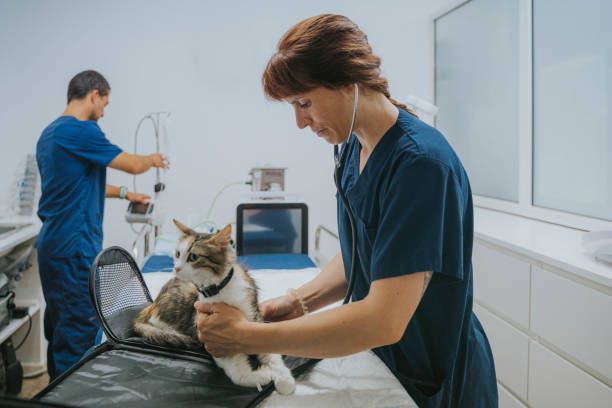
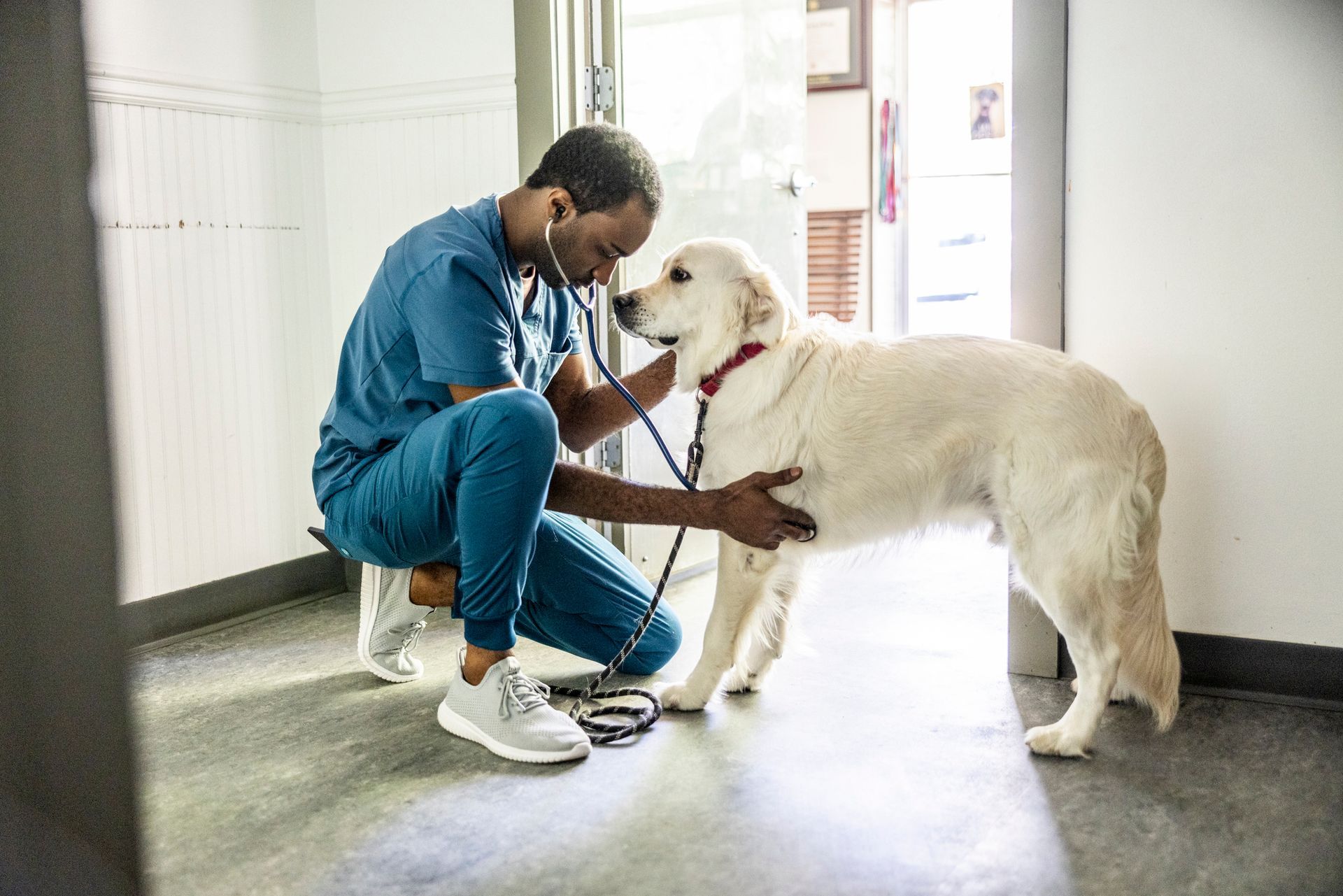
Routine wellness exams form the backbone of responsible pet health care throughout the year. These visits allow a veterinarian to assess a pet's overall condition, update vaccines as needed, run relevant screening tests, and address any early-stage concerns before they may develop into larger problems. For puppies and kittens, a scheduled series of visits is typically recommended, while adult and senior pets may benefit from annual or twice-yearly exams depending on their age and health status.
Building a Year-Round Preventive Pet Care Routine
The most effective approach to pet health care in a coastal climate like Myrtle Beach, SC, is one that does not treat any month as risk-free.
A practical year-round routine may include:
- Monthly heartworm prevention medication administered without gaps.
- Monthly flea and tick prevention applied consistently.
- Annual wellness exams, with senior pets often benefiting from visits every six months.
- Heartworm testing conducted at least once per year.
- Hydration monitoring and heat management during summer months.
- Regular dental checkups and at-home oral care between visits.
- Post-outdoor tick checks during spring and fall when tick activity may be elevated.
Staying ahead of seasonal risks rather than reacting to them may make a meaningful difference in a pet's long-term health and comfort.
Ready to Build a Year-Round Wellness Plan for Your Pet?
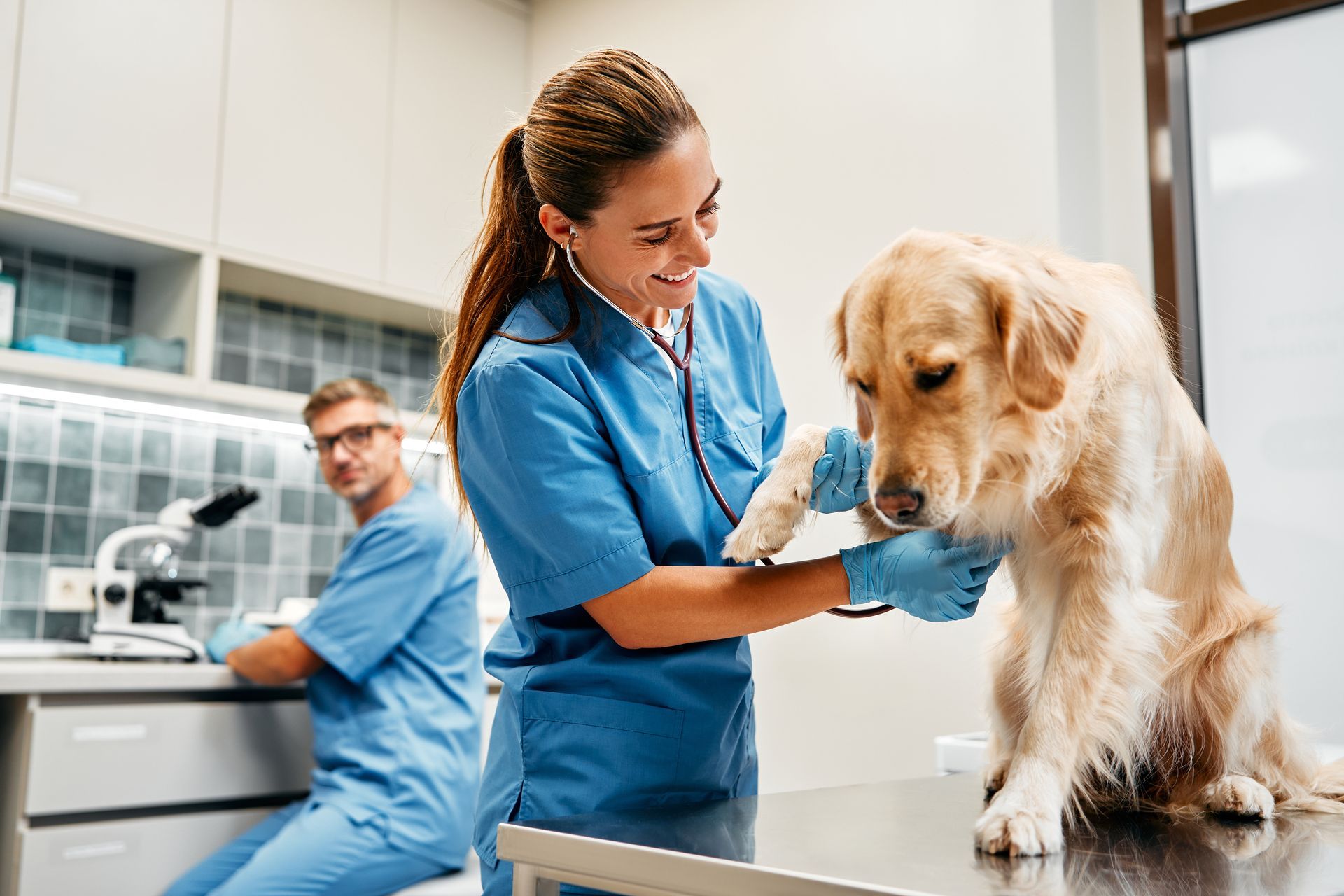
For pet owners in the Myrtle Beach area looking to establish or strengthen a year-round wellness routine, Murrells Inlet Veterinary Hospital offers comprehensive veterinary services, including preventive medicine, parasite prevention, dental care, vaccinations, and more. The team has been serving pets and families in the community since 1988 and understands the unique demands that the South Carolina coastal climate places on local animals. To schedule a wellness visit or discuss a year-round preventive plan for your pet, contact the team. You can also find Murrells Inlet Veterinary Hospital on Google Maps for directions and hours.