What Pet Vaccinations Are Required in South Carolina in 2026? A Pet Health Care Guide
South Carolina's mandatory vaccination law is clear: rabies is the only vaccine required by state statute. But knowing the full picture, including which shots veterinarians strongly recommend and why the Grand Strand's climate creates unique risks, can make a real difference in your pet's long-term health. Whether you have a puppy, a senior dog, a kitten, or an indoor-only cat, this guide covers what you need to know about pet health care in Myrtle Beach, SC, in 2026.
What Vaccines Are Required by Law in South Carolina?
South Carolina law requires all dogs, cats, and ferrets to be vaccinated against rabies and revaccinated at a frequency that provides continuous protection using a USDA-licensed vaccine approved by the state Department of Public Health. This applies to every pet owner across all 46 counties, with no seasonal exemptions.
Regardless of the product used, a pet must receive a booster within one year of the initial dose to be considered currently vaccinated. After that, the choice between a one-year or three-year vaccine is at the veterinarian's discretion.
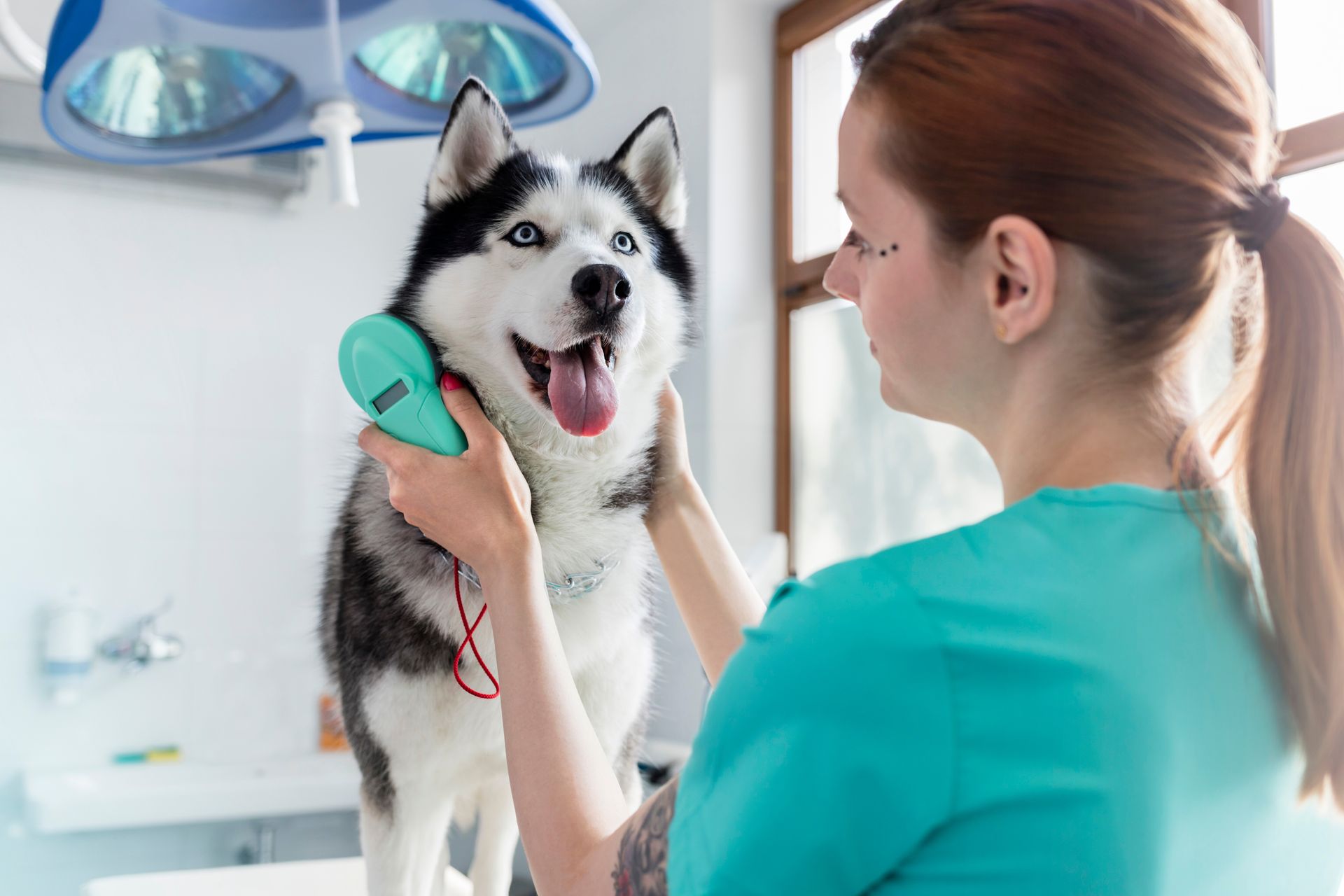
Documentation matters. The licensed veterinarian must provide one copy of the rabies certificate to the owner and retain a copy for at least three years. The metal license tag must be attached to a collar or harness at all times. If your pet is picked up by animal control without that tag, you will need to prove current vaccination to secure its release.
What Other Vaccines Do Vets Recommend for Dogs in the Myrtle Beach Area?
Rabies may be the only legal requirement, but veterinarians typically recommend additional vaccines based on a dog's age, lifestyle, and environment.
Core Vaccines for Dogs
Core vaccines recommended for every dog include rabies, distemper, hepatitis/adenovirus, parvovirus, parainfluenza, and leptospirosis. The DHPP or DAPP combo shot covers most of these in a single injection. The American Animal Hospital Association recently reclassified leptospirosis as a core vaccine for all dogs that go outside. Because leptospirosis can spread to humans, it is a family health concern as much as a pet one.
Lifestyle Vaccines for Dogs
Lifestyle vaccines recommended based on exposure include Bordetella (kennel cough, required for boarding, daycare, and most grooming facilities), Lyme (for tick-endemic regions), and canine influenza. Bordetella is recommended for any dog that regularly spends time around other dogs.
Puppy Vaccination Schedule
Puppies typically receive a first core shot at 6 to 8 weeks, a booster and any lifestyle vaccines at 10 to 12 weeks, and a final booster plus first rabies shot at 14 to 16 weeks. A booster follows one year later, then every three years or as recommended by your vet.
What Vaccines Do Cats Need?
Every cat should receive core vaccines: FVRCP (feline viral rhinotracheitis, calicivirus, panleukopenia), rabies, and FeLV for all kittens under one year of age.
FVRCP is considered core because there are no specific cures for these diseases; vets can only provide supportive care. The American Animal Hospital Association considers the FeLV vaccine core for kittens under one year and non-core for older cats, though outdoor cats or those in multi-cat households may continue to benefit from FeLV boosters into adulthood.
The FVRCP kitten series can begin as early as 6 weeks of age, given every three to four weeks until the kitten reaches 16 weeks or older.
Why the Myrtle Beach Climate Makes Vaccines and Parasite Prevention Even More Important
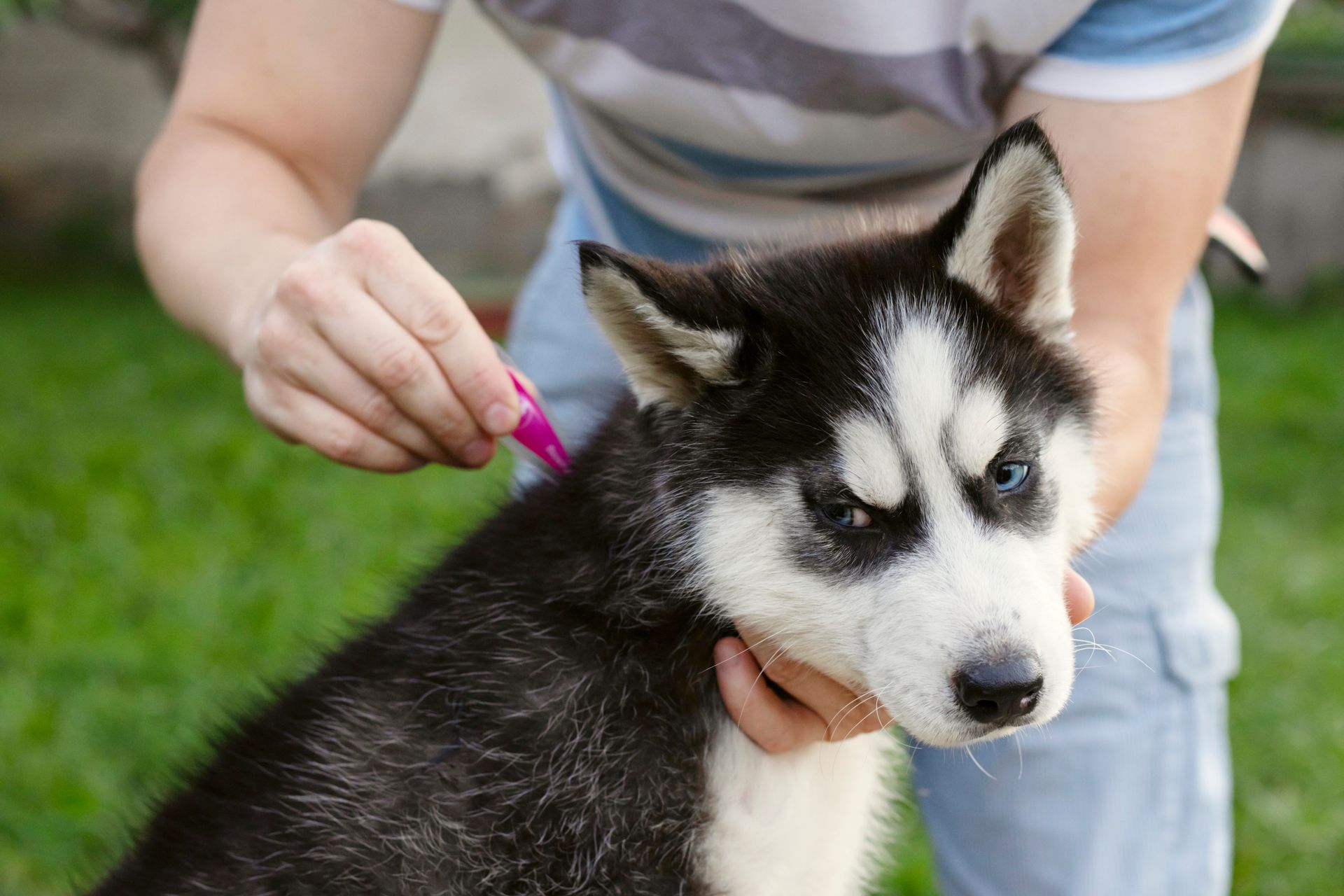
The coastal climate in Myrtle Beach creates conditions that extend parasite seasons well beyond what pet owners in cooler states might expect, making consistent pet health care a year-round necessity.
Clemson Cooperative Extension notes that South Carolina's coastal plain, including areas around Myrtle Beach, faces the longest and most intense mosquito pressure in the state. Mosquitoes are active throughout much of the year, making heartworm prevention critical. Regular testing and preventive medications protect pets from serious, potentially fatal infections.
Fleas and ticks thrive in the warm coastal climate and can transmit diseases or cause severe skin irritation. The Lyme vaccine for dogs may be worth discussing with your vet if your dog spends time in wooded areas near the Waccamaw Neck or along local nature trails.
Are Vaccines Safe for My Pet?
Most pets experience no side effects. When they do, effects are typically mild, such as slight soreness, temporary tiredness, or minor swelling at the injection site. Serious reactions are rare and treatable by a vet.
What Happens If My Pet's Rabies Vaccine Lapses?
South Carolina enforces rabies vaccination requirements seriously. Allowing your dog's, cat's, or ferret's rabies shot to lapse carries real legal consequences and puts your pet and your community at risk.
Schedule a Vaccine Appointment Serving the Myrtle Beach Area
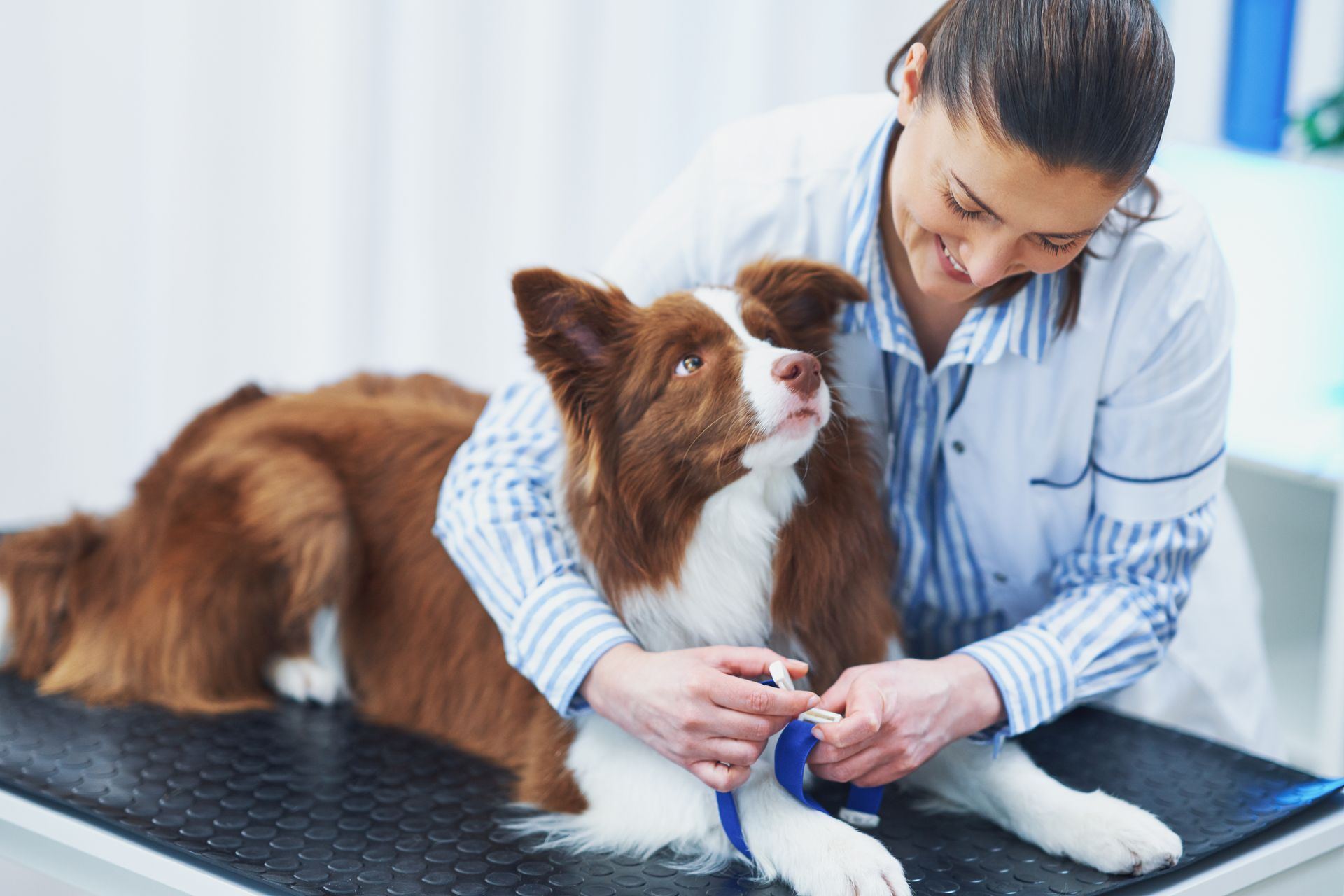
Keeping vaccines current is one of the most effective ways to protect your pet's health all year long. If you are unsure where your pet stands on their schedule, a wellness exam is the best place to start.
Murrells Inlet Veterinary Hospital offers comprehensive dog and cat vaccination services for pets serving the Myrtle Beach area. The team can review your pet's vaccination history, recommend any shots that may be due, and build a preventive care plan tailored to your animal's age and lifestyle. To schedule an appointment, contact the practice or call (843) 651-3355 today.