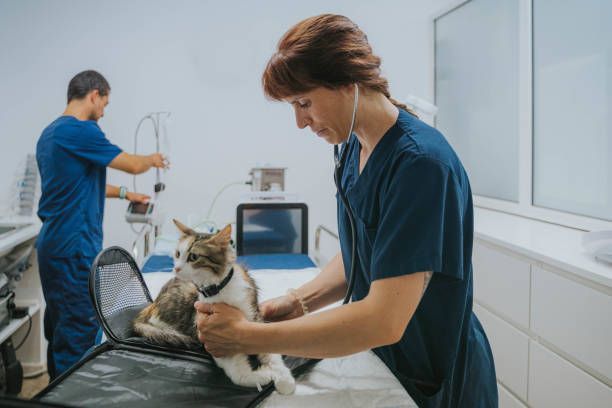
Emergency Veterinary Care for Surfside Beach, SC: How to Recognize Heat-Related and Sand Injuries in Dogs
At Murrells Inlet Veterinary Hospital, we want every pet owner visiting Surfside Beach, SC, to enjoy a safe and worry-free outing with their dog. Knowing how to spot heat-related illness and sand injuries is essential before a beach day turns into a health crisis requiring emergency veterinary care for Surfside Beach, SC, dogs. If you have concerns about your pet, call our team at (843) 651-3355 right away.
Why Surfside Beach Summers Put Dogs at Risk
Coastal South Carolina summers are intense. Temperatures regularly climb into the upper 80s and 90s, and the humidity along the Grand Strand makes it feel even hotter for dogs. Unlike people, dogs regulate body heat almost entirely through panting, which is far less efficient than sweating, making them vulnerable much faster than their owners may realize.
Surfside Beach enforces seasonal beach rules that shape when dogs can safely visit. Dogs are not permitted on the public beach between 10 a.m. and 5 p.m. from May 1 through Labor Day and must remain leashed at all other times. Most beach visits happen in the early morning or evening hours, when sand temperatures can still be dangerously high after a sunny afternoon. Understanding when to seek emergency veterinary care for Surfside Beach, SC, dogs starts with knowing how quickly conditions can shift during peak heat months.
The Surfside Beach Dog Park on 1st Avenue North is another popular local spot, though shade is limited there. Planning around those conditions can make a real difference for your dog's safety.
How Can You Tell If Your Dog Has Heat Stress?
Heat stress in dogs can escalate quickly. Catching it early may keep a manageable situation from becoming a medical emergency requiring emergency veterinary care for Surfside Beach, SC, pets.
Early Warning Signs of Overheating
Watch for the following signs that your dog may be struggling with the heat:
▸Excessive panting that does not slow down, even after resting in shade.
▸Drooling more than usual, sometimes with thick or stringy saliva.
▸Bright red gums or tongue.
▸Unsteady movement or stumbling.
▸Vomiting or sudden loss of interest in movement.
If you notice any of these signs, move your dog to a cool, shaded area right away. Offer small amounts of cool (not ice cold) water. Apply cool, damp towels to the neck, armpits, and groin to help lower body temperature gradually.
When Heat Stress Becomes an Emergency
Some signs require immediate action. Look out for any of the following:
▸Collapse or inability to stand.
▸Seizures or uncontrolled muscle trembling.
▸Gums that appear pale, gray, or bluish.
▸Loss of consciousness or extreme confusion.
Do not wait to see if your dog improves on their own. These are clear indicators that emergency veterinary care for Surfside Beach, SC, dogs is needed right away. Call a veterinary clinic immediately.
Recognizing and Treating Sand and Paw Injuries
Hot sand is one of the most common hazards for dogs at Surfside Beach, SC. Sand can reach temperatures far higher than the air temperature on a sunny day, and even an early evening walk can expose paws to surfaces that cause painful burns.
Signs of Paw Pad Burns
Be on the lookout for these common signs of paw pad burns:
▸Limping or refusing to walk on one or more paws.
▸Licking or chewing at the paws repeatedly.
▸Pads that look red, blistered, or darker than normal.
▸Pads that feel unusually soft or raw to the touch.
If you suspect a burn, move your dog off the hot surface immediately. Rinse the paws gently with cool water for several minutes. Do not apply butter, oils, or human burn creams to the pads. Cover the paws loosely with a clean cloth and seek veterinary attention.
Sand Can Cause Other Problems Too
Dogs that run and dig enthusiastically may ingest sand, which can cause impaction. Signs include a bloated or uncomfortable belly, straining without results, or loss of appetite after a beach visit. Contact a veterinary professional if you notice these symptoms. Cuts and scrapes from shells or debris along the tideline are also common. Rinse any wound with clean water, apply gentle pressure to control minor bleeding, and have a vet examine deeper cuts or wounds that do not stop bleeding quickly.
Prevention Tips Tailored to Surfside Beach
A few simple habits can protect your dog all season long. Consider the following:
▸Time beach and park visits for early morning, before 9 a.m., when sand and air temperatures are coolest.
▸Do the pavement test: press the back of your hand to the sand for seven seconds. If it is uncomfortable for you, it is too hot for your dog.
▸Bring fresh water and a portable bowl on every outing.
▸Take shade breaks every 15 to 20 minutes during warm weather outings.
▸Check paws before and after every beach visit.
Ready to Help When Your Dog Needs It
If your dog shows signs of heat stress or a paw injury after a day out in Surfside Beach, SC, do not hesitate to reach out to us. At Murrells Inlet Veterinary Hospital, we provide emergency veterinary care for Surfside Beach, SC, dogs and support pets at every stage of life. Call our team at (843) 651-3355 or contact us directly to discuss your dog's symptoms. You can also explore our veterinary services to learn how we can support your pet's care.
Please note that the clinical guidance in this article is intended for educational purposes. Have the veterinarians review this content before publishing to ensure accuracy. Find us on Google Maps for directions from Surfside Beach, SC.